Btrax Design Company > Freshtrax > From CSR to Bra...
From CSR to Brand: How Primaham and btrax Reimagined Food Education
Companies engage in countless forms of social contribution. But no matter how meaningful the initiative, it can’t create real value for society if no one actually uses it. Primaham, a food manufacturer with a long history of food education work, was one of the companies grappling with exactly this challenge.
Since 2014, the company has run outreach classes for elementary schools, giving kids hands-on experience making sausages and touring factories to share the joy of food. When the pandemic hit, Primaham shifted to a materials-based food education program but as that program continued, new challenges surfaced.
So Primaham teamed up with btrax, a San Francisco-based design and innovation consultancy, to overhaul its food education program.
Reference: Primaham | Sustainability | Food Education Initiatives
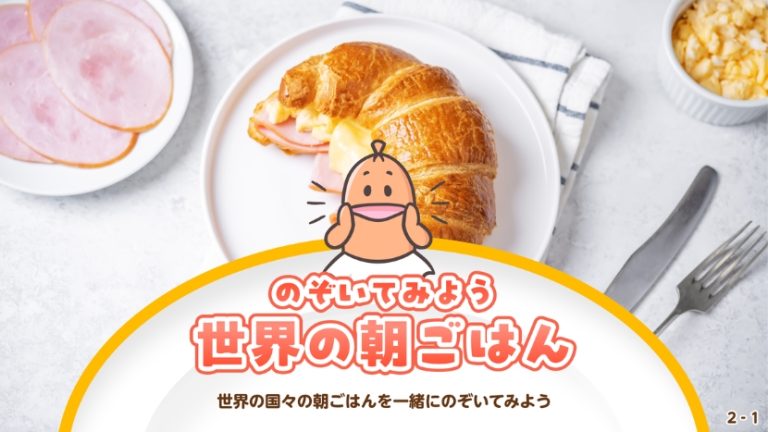
“Let’s Eat Breakfast” — A Program for Primaham
In this conversation, Sho Hosokawa and Fumito Yamaashi from Primaham’s Sustainability Promotion Department join btrax CEO Brandon Hill to talk about the project’s background, what they learned, and the perspective companies need when tackling social issues.
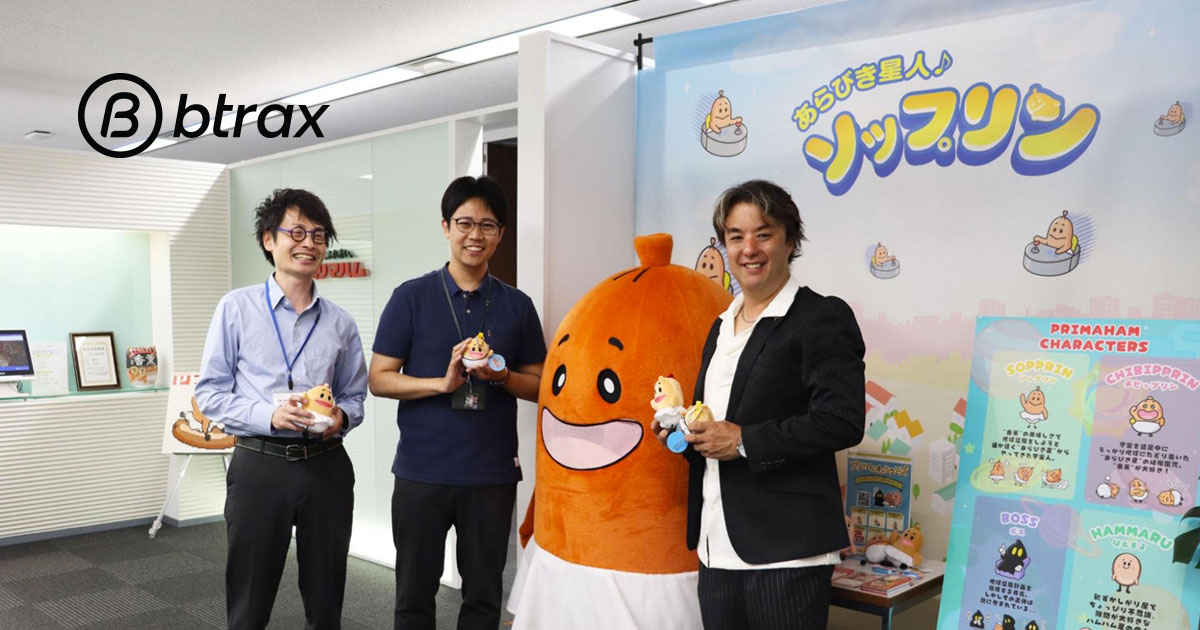
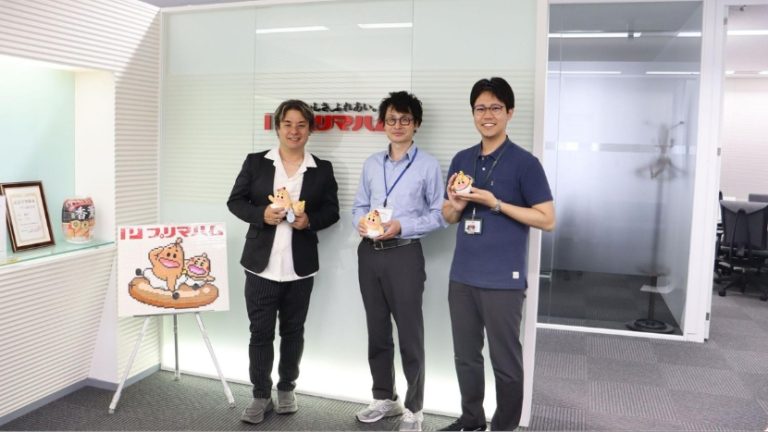
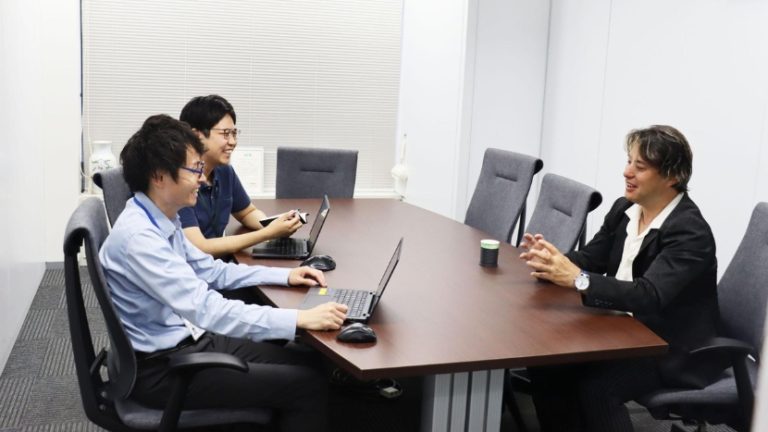 The conversation took place at Primaham’s head office.
What Only Primaham Can Teach About the Value of Food
Let’s start with the background of this project.
Mr. Hosokawa / Mr. Yamaashi (Primaham)
At Primaham, we’ve long approached food education guided by our philosophy of “contributing to food culture and society through great taste and inspiration.”
We’ve run outreach classes for elementary schools since 2014, along with sausage-making experiences and factory tours. The kids’ reactions were great, and we felt it was truly meaningful work.
When the pandemic pushed us toward a materials-based food education program, internal voices began calling for a rethink after a few years of running it.
 The new food education program created by Primaham and btrax
What kinds of challenges came up?
Mr. Hosokawa / Mr. Yamaashi
The old materials were well-organized as information, but we started asking ourselves: could we make something kids would enjoy learning from more, something that made them want to actually try things themselves? Those conversations started happening internally.
We also wanted to revisit what kind of food-related value only Primaham could communicate.
That’s when we landed on breakfast.
Skipping breakfast is a recognized social issue, and ham and sausage pair naturally with breakfast. We felt it was a theme directly tied to children’s health.
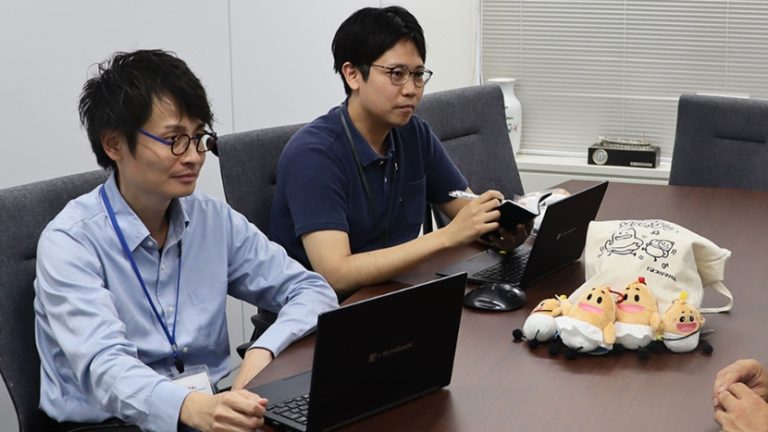 Mr. Hosokawa, describing how the team wanted to rethink the food value only Primaham could convey
Designing a “Class Experience,” Not Just “Materials”
Brandon Hill
When you first approached us, the ask was framed as a project to renew the teaching materials. But we felt the real problem to solve wasn’t the materials themselves. It was understanding how to get teachers to actually use them, and how to make sure they reached the kids in a meaningful way.
That’s the same approach we take when building new services or products in Silicon Valley: start by understanding the user. Companies tend to focus on what to build, but what really matters is understanding why something isn’t being used.
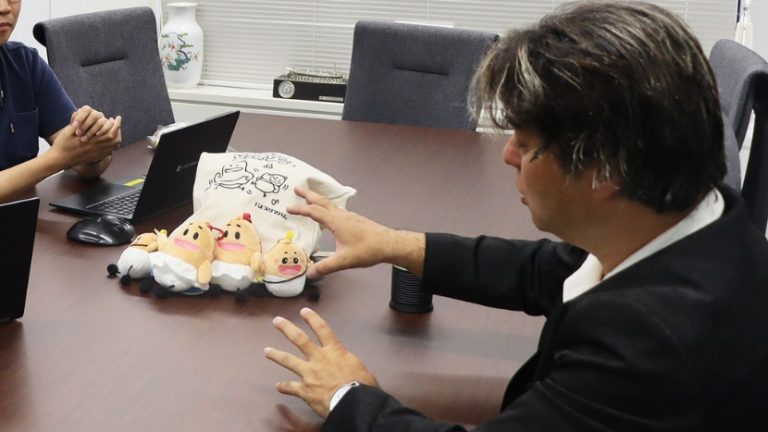
Brandon Hill describing the Silicon Valley approach
So that’s what led to interviewing teachers?
Brandon Hill:
Yes, our project approach started with a step to gather input on the existing experience. Since the project budget was limited, though, we had Primaham’s own team conduct the teacher interviews.
What did you learn from talking to teachers?
Mr. Hosokawa / Mr. Yamaashi
Teachers are short on time. They can’t spend much time preparing lessons.
Given they have to cover a curriculum set by national guidelines, what helps teachers most is a lesson that covers the curriculum and engages students without requiring a lot of prep time.
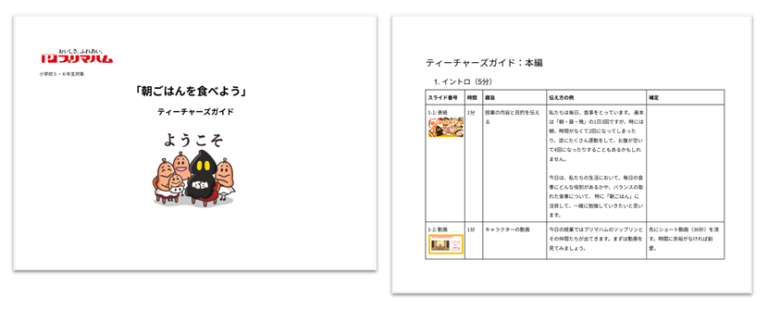 A teacher’s guide was also created to make the program easier for teachers to use
How did that discovery shape the program?
Mr. Hosokawa / Mr. Yamaashi
The old materials were distributed as downloadable PDFs. For the new version, working with btrax, we redesigned it as a PowerPoint deck teachers could project directly in class. We also prepared a teacher’s guide and a script, so prep time would be minimal.
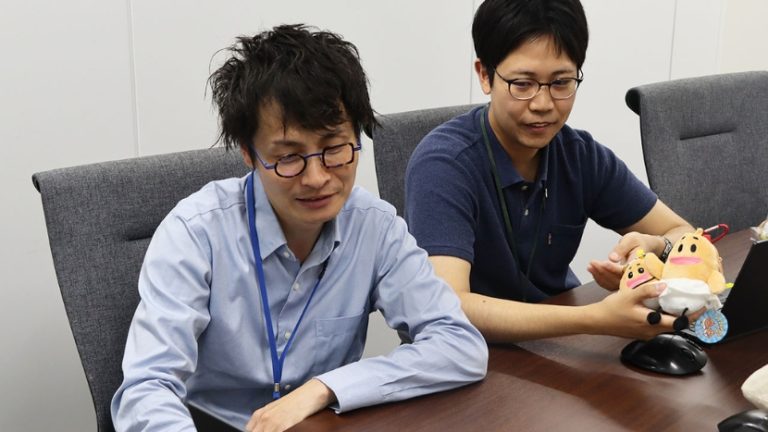
Mr. Hosokawa and Mr. Yamaashi discussing the renewed food education program
It sounds like the teacher’s needs varied quite a bit, too.
Mr. Hosokawa / Mr. Yamaashi
Very much so. Some teachers wanted something they could use for just five minutes during morning homeroom; others wanted to run it as a full 45-minute lesson. Circumstances differ completely from school to school, class to class.
btrax’s content proposal was structured into several chapters, each looking at breakfast from a different angle to capture kids’ interest. When we showed this to teachers, they said it would be great to be able to use just the parts that fit their available class time.
Based on that, instead of us dictating exactly what to teach, we decided to let teachers, who know their students best day to day, choose what to use.
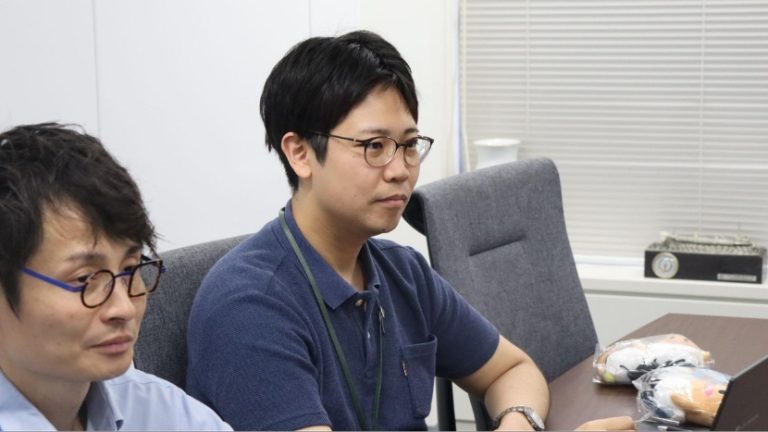
Mr. Yamaashi, on wanting teachers who see the children every day to be able to pick the content that fits
Brandon Hill
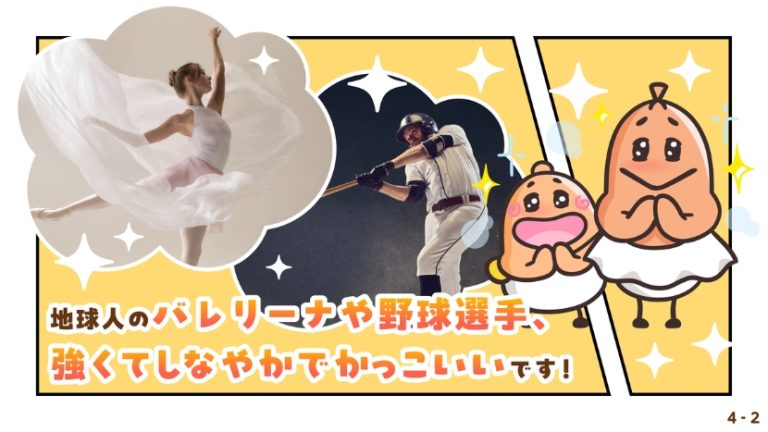
The new materials include pages that would appeal to kids who look up to athletes or idol groups, and pages likely to spark lively discussion in more internationally diverse classrooms.
Mr. Hosokawa / Mr. Yamaashi
Exactly. It was great that the design let teachers freely adapt the content based on their class’s characteristics and the students in front of them.
“Breakfast Matters” Alone Doesn’t Change Behavior
This program is aimed at elementary schoolers. What did you do differently for the students themselves, the ones actually taking the class?
Brandon Hill
What we focused on wasn’t just building knowledge. It was changing behavior. Most kids already know that “breakfast is important.” But knowing something and actually acting on it are two different things. So we talked through how to help kids see this as something personal to them.
Family circumstances have also diversified and more households have two working parents. Simply saying “let’s make an ideal breakfast” the way people used to isn’t realistic anymore.
That’s why we introduced things like showcasing breakfasts from around the world, and exercises where kids design their own meal plans. What matters isn’t memorizing facts. It’s getting kids to think, “I’ll try doing one thing differently starting tomorrow.”
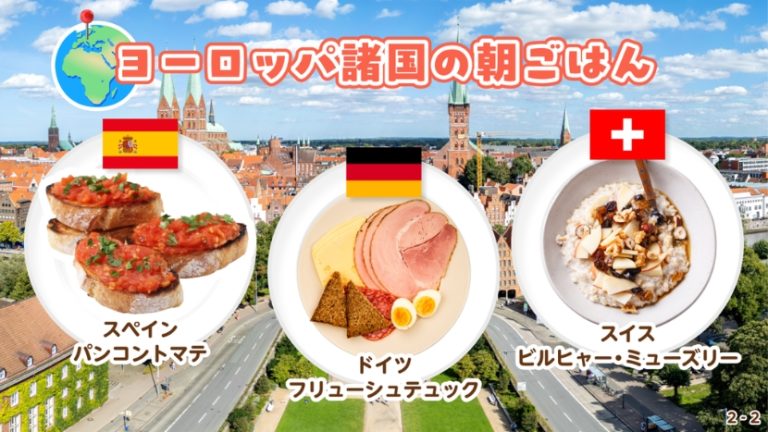
Introducing food cultures from around the world to spark kids’ curiosity
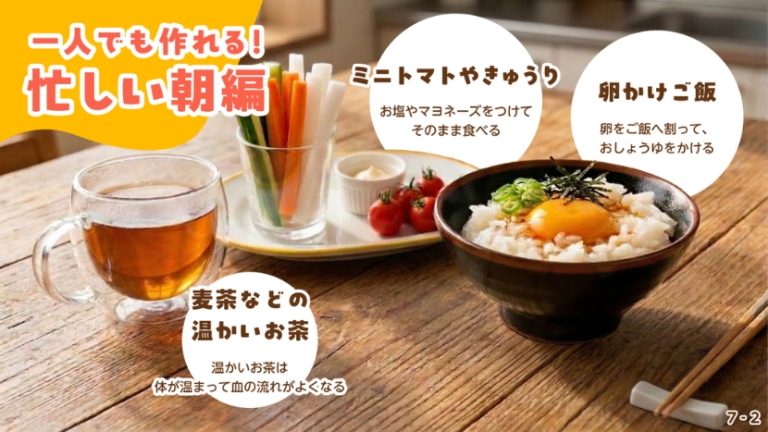
Giving children a chance to think about breakfast as something personal to them
Mr. Hosokawa / Mr. Yamaashi
Teachers also asked us to make sure the content kept kids engaged throughout a longer class period. What btrax built wasn’t just passive classroom instruction.Kids get to participate actively, which we think came through well.
Brandon Hill
I’m a fan of Soppurin myself, honestly.
Mr. Hosokawa / Mr. Yamaashi
Glad to hear that. Soppurin has barely appeared in external-facing content until now, so there’s a lot of room to grow the character. We actually just started selling Soppurin merchandise, too.
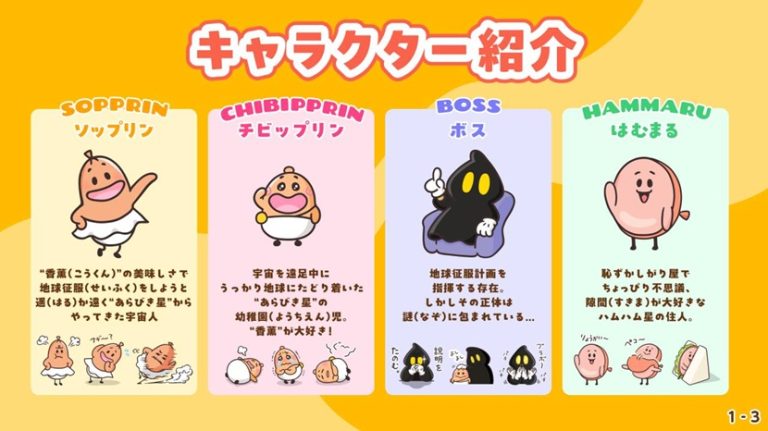
Primaham’s official character, Soppurin
Official “Soppurin” merchandise site
Japan’s Food Education Is a Culture to Be Proud of Globally
Shifting gears a bit — Brandon, how do you see Japan’s food education from an outside, international perspective?
Brandon Hill
Honestly, I think Japan is world-class when it comes to food education. I attended school in Japan myself, and the school lunch culture and food education system here are genuinely impressive.
In the US, school cafeteria menus often don’t factor in nutritional balance nearly enough. It’s not uncommon for the whole menu to be pizza, fried chicken, and maybe an apple. In Japan, by contrast, school lunches naturally build a culture of eating vegetables and understanding food.
Researchers from abroad are often surprised when they visit Japanese schools. I’ve long felt that Japan’s food education is something worth sharing with the world.
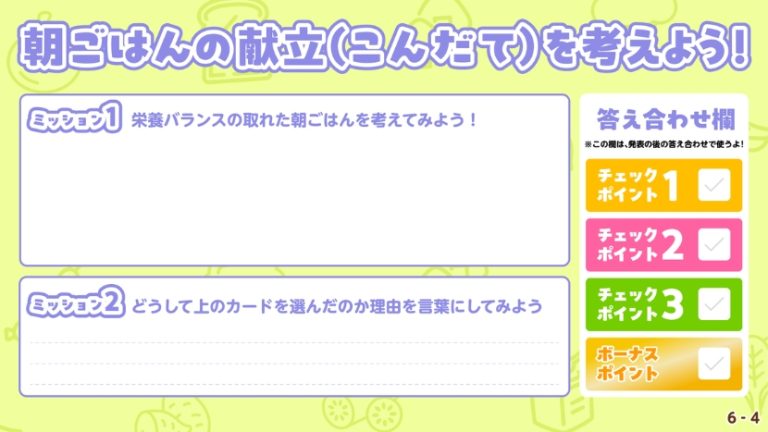
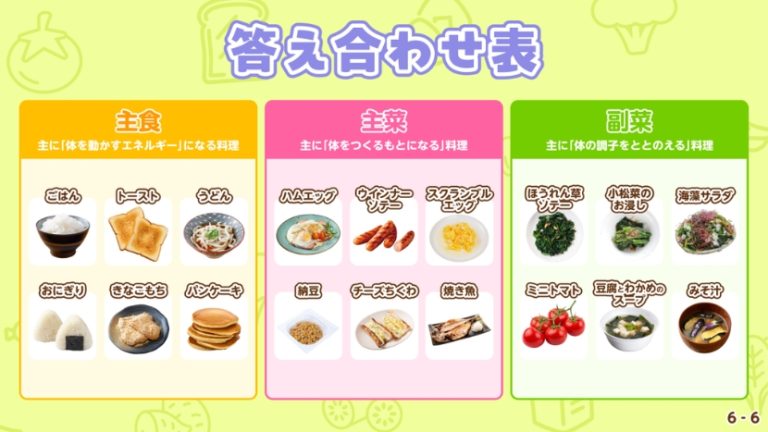
A game-based chapter was also included to keep kids from getting bored during class
Mr. Hosokawa / Mr. Yamaashi
Primaham’s stated vision is “contributing to food culture and society through great taste and inspiration.” As a food manufacturer, we want to keep playing our part in passing Japan’s food culture on to the next generation.
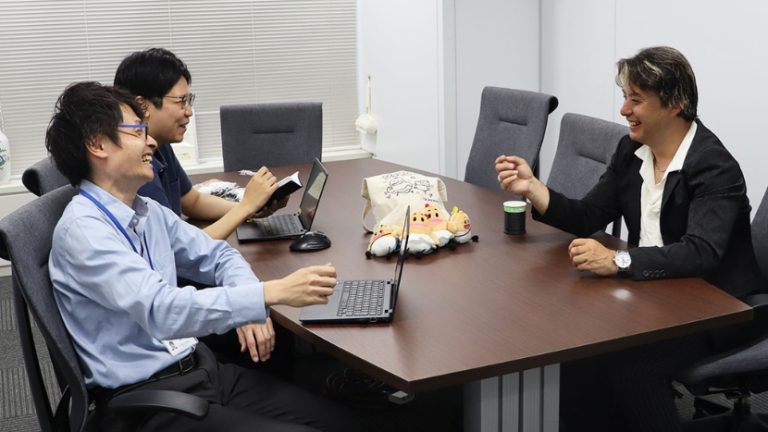
Brandon Hill, on why he believes Japan’s food education is world-class
From CSR to Brand: Tackling Social Issues Becomes Corporate Value
Do you see differences between Japan and other countries in how companies think about social contribution?
Brandon Hill
This is a big one, I think. In Japan, CSR often gets viewed as “a good thing, but not something that generates profit”, a kind of self-sacrificing activity a company does for society.
That’s not how it works in the US. Social contribution is actually a key investment in building brand value. By delivering value to society, a company builds trust and goodwill and people come to feel “this company is investing in the future.” That, in turn, grows into people liking the company and long-term brand value.
It’s the same thinking behind Apple donating computers to schools, or Google supporting coding education. That’s not simple charity.
Mr. Hosokawa / Mr. Yamaashi
In Japan, there may still be a tendency to treat social contribution and branding as separate things.

Branding activities that also serve social contribution
Brandon Hill
That’s exactly where I think there’s a missed opportunity. A company that seriously tackles a social issue becomes a brand in itself.
This Primaham project is the same. Food education is an activity that connects directly with children, parents, and teachers. It’s not simply a donation. It’s using the company’s own expertise to solve a social problem. That makes for an incredibly strong brand story.
Japanese companies often do wonderful work but don’t communicate it enough. This kind of work deserves to be shared more widely.
Mr. Hosokawa / Mr. Yamaashi
If we keep sharing things like classroom moments, teacher feedback, and Soppurin’s activities, we really can build a brand image that goes beyond “the ham and sausage company” into “the company supporting children’s healthy futures.”
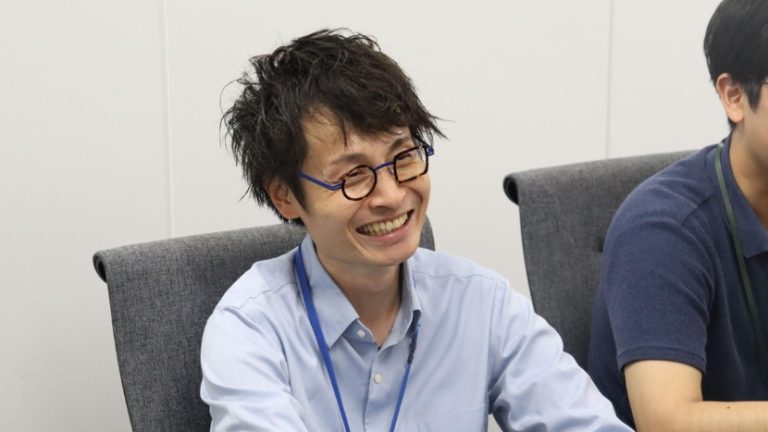
After the Interview
Thank you so much, Mr. Hosokawa, Mr. Yamaashi, and Brandon Hill. What struck me personally was how a conversation about food education and CSR turned into a conversation about brand building.
I’d always thought of social contribution and branding as separate things, but the idea that continuously delivering value to society is the brand itself really stuck with me. I’m looking forward to seeing how this initiative develops from here.
btrax supports a wide range of CSR and corporate branding initiatives. If you’d like to learn more about this Primaham case study, please get in touch.
btrax is a design and innovation studio that helps build brands the global market chooses. If you’re considering expanding into new markets, feel free to reach out.
Japan GTM for AI Startups
Build trust, connect with decision-makers, and accelerate your Japan market entry through events, community, and localized GTM execution.

New articles